
New publication: Tumor suppressors LKB1 and SMARCA4 functionally interact to regulate gene expression across diverse biological processes in lung cancer
March 16, 2026
Dr. Marignani Recognized with Schulich Alumni of Distinction Award
May 4, 2026
Our lab is pleased to share our latest publication.
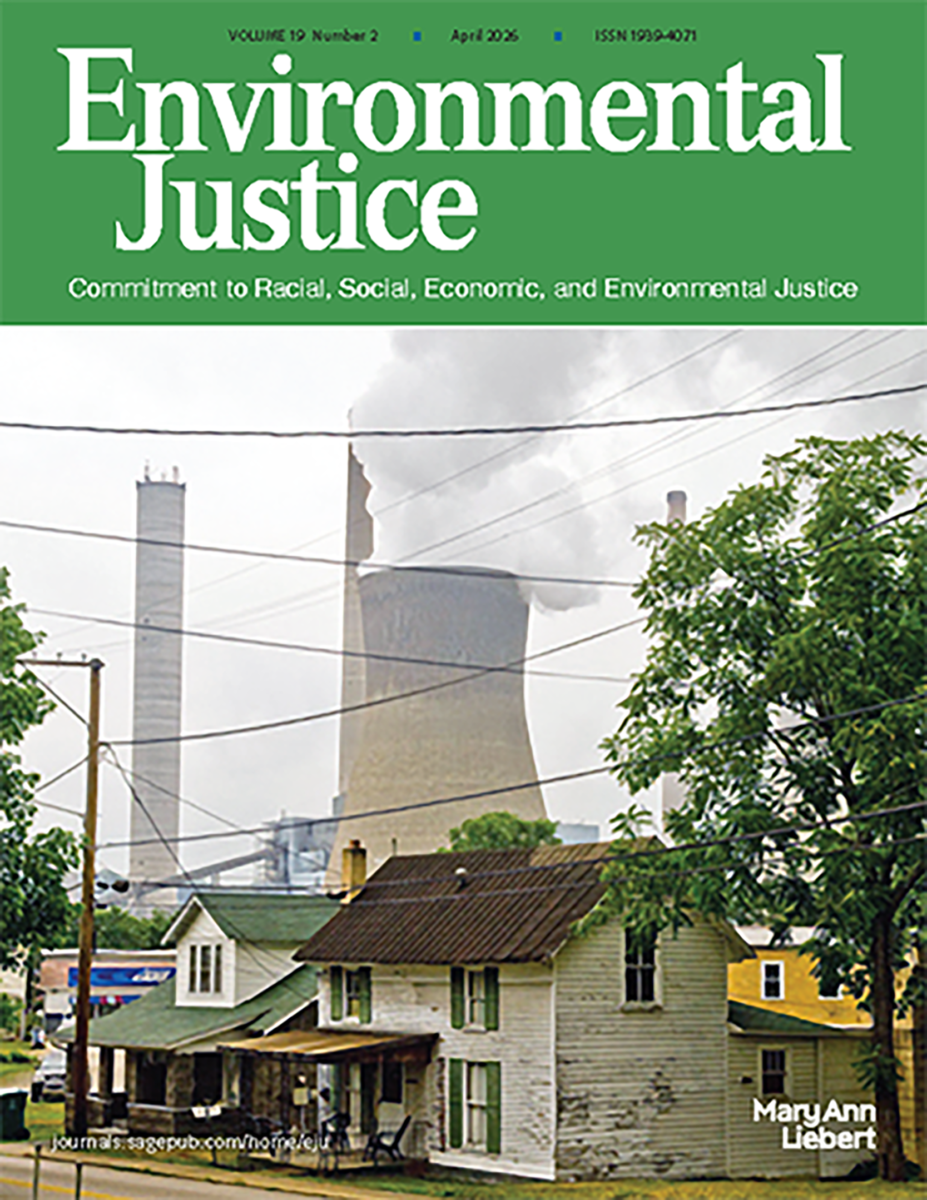
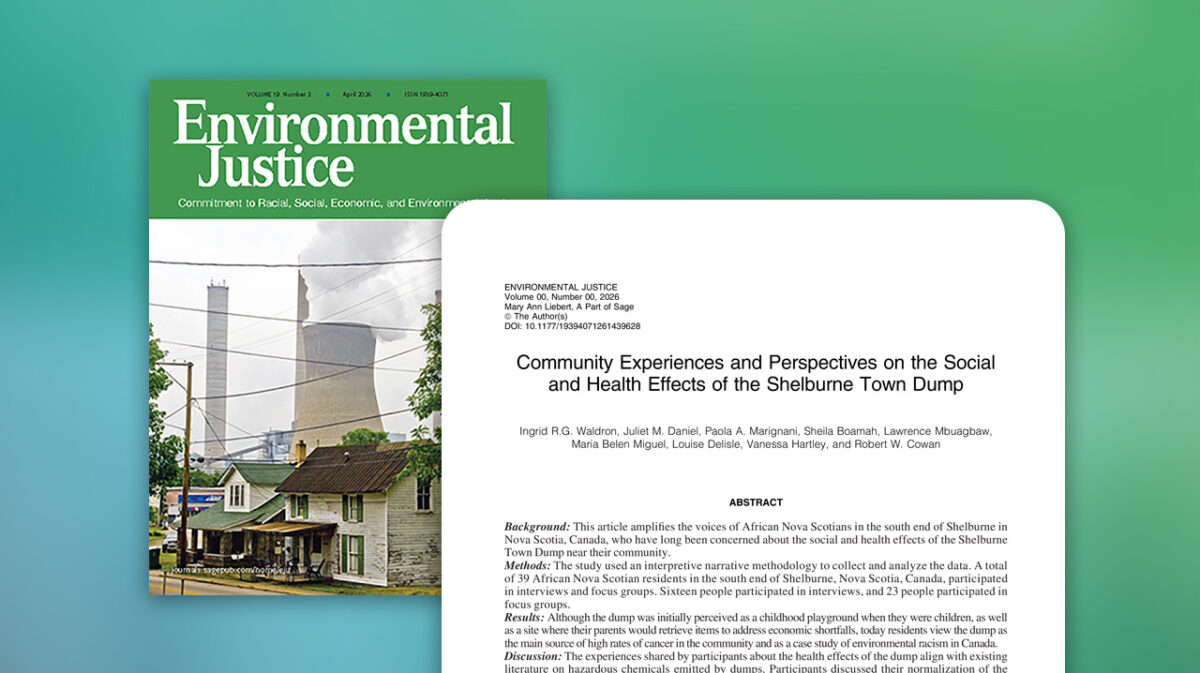
Waldron, I. R. G., Daniel, J. M., Marignani, P. A., Boamah, S., Mbuagbaw, L., Miguel, M. B., Delisle, L., Hartley, V., & Cowan, R. W. (2026). Community Experiences and Perspectives on the Social and Health Effects of the Shelburne Town Dump. Environmental Justice, 0(0).
Abstract
Background:
This article amplifies the voices of African Nova Scotians in the south end of Shelburne in Nova Scotia, Canada, who have long been concerned about the social and health effects of the Shelburne Town Dump near their community.
Methods:
The study used an interpretive narrative methodology to collect and analyze the data. A total of 39 African Nova Scotian residents in the south end of Shelburne, Nova Scotia, Canada, participated in interviews and focus groups. Sixteen people participated in interviews, and 23 people participated in focus groups.
Results:
Although the dump was initially perceived as a childhood playground when they were children, as well as a site where their parents would retrieve items to address economic shortfalls, today residents view the dump as the main source of high rates of cancer in the community and as a case study of environmental racism in Canada.
Discussion:
The experiences shared by participants about the health effects of the dump align with existing literature on hazardous chemicals emitted by dumps. Participants discussed their normalization of the dump, intersectional discrimination, the lack of response by their Town Council and their recommendations for addressing these issues.
Conclusion:
A new environmental justice law in Canada offers an opportunity for the first time for government to assess, address, and prevent environmental racism and provide compensation for communities that have been harmed. It will involve the engagement of impacted communities in the development of an environmental policy.